

The Crucial Role of Medical Evidence in Workers’ Compensation Cases
May 27, 2026
After a workplace injury, medical care is about more than treatment. In a California workers’ compensation case, medical evidence often becomes the foundation of the entire claim. Doctor’s notes, diagnostic test results, work restrictions, treatment plans, and disability evaluations can all help your workers’ compensation attorney in LA demonstrate what happened, how serious the injury is, and how the injury affects your ability to work.
For injured workers, the work comp process can feel overwhelming. While you’re dealing with pain, recovery, and missed income, the insurance company is reviewing records and looking for details that can weaken your claim. Clear medical documentation helps connect the injury to the job, supports the need for treatment, and provides a record of the worker’s limitations. Without it, even a valid claim may face unnecessary delays, disputes, or lower benefit decisions.
Why are medical records so important in work comp cases in CA?
Medical records are important in California workers’ compensation cases because they help prove the cause, nature, and extent of a workplace injury. The insurance company reviews these records to decide whether the injury is work-related, what treatment may be appropriate, and whether the employee has work restrictions or disability.
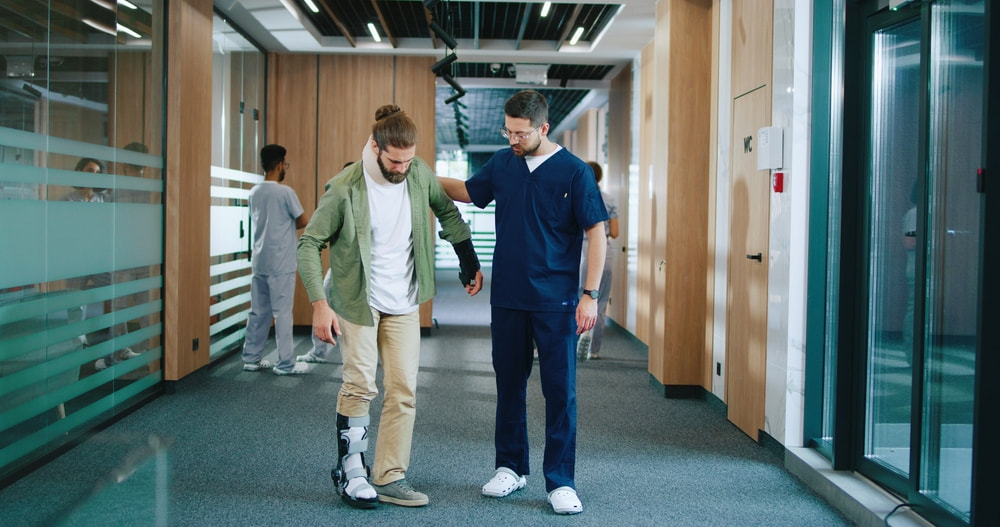
Medical records can help:
- Show that the injury is connected to work duties or a workplace incident
- Document when symptoms began and how they changed over time
- Identify which body parts were affected
- Support requests for treatment, testing, therapy, or specialist care
- Establish work restrictions and return-to-work limits
- Provide evidence of long-term symptoms or permanent limitations
These details matter because workers’ compensation claims often involve questions about causation and severity. If a worker develops back pain after lifting heavy materials, for example, medical records can help connect the pain to the job activity. If the record is vague or inconsistent, the insurance company may argue that the condition is unrelated to work or not as serious as claimed.
Medical evidence also supports treatment and benefit decisions. Records may include physical exam findings, imaging results, referrals, therapy recommendations, medication plans, and follow-up notes. When the records clearly explain the injury and the need for care, they can help reduce unnecessary disputes and delays.
What not to say to a workman’s comp doctor in California?
When seeing a workers’ compensation doctor in California, you should be honest, accurate, and specific. The goal is not to exaggerate symptoms or downplay them. The goal is to give the doctor a clear picture of the injury, how it happened, and how it affects daily life and work duties.
You should avoid vague or misleading statements. Saying “I’m fine” when pain is still limiting movement can create problems later because it may make the injury seem less serious. Overstating symptoms can also damage credibility if the medical findings do not support the description.
You should be careful with statements such as:
- “It does not hurt that much,” if pain still affects work or daily activities
- “I can go back to full duty,” if real physical limitations remain
- “This may have happened somewhere else,” if symptoms began during work duties
- “I do not need treatment,” if pain, weakness, numbness, or restricted movement continues
- “Everything is the same,” if symptoms have improved, worsened, or changed
It is also important to report all affected body parts. If you only mention shoulder pain but also have neck, back, wrist, or knee symptoms from the same incident, those details may be left out of the early medical record. Later, the insurance company may question why those symptoms were not reported sooner.
Will weak documentation hurt my workers’ comp case in LA?
Weak documentation can hurt your workers’ compensation case in Los Angeles because the claim often depends on what the records show. If medical notes are missing important details, contradict earlier statements, or fail to explain work restrictions, the insurance company may use those gaps to challenge treatment, disability benefits, or the value of the claim.

Weak documentation can hurt a claim by:
- Making it harder to prove the injury happened at work
- Leaving out important symptoms or affected body parts
- Weakening support for treatment, therapy, imaging, or specialist referrals
- Creating confusion about work restrictions or disability status
- Giving the insurance company reasons to dispute the claim
- Making settlement decisions harder if future care needs are unclear
Which workers’ compensation attorney in LA can help me claim the maximum benefits package?
If you’re struggling to come to terms with the full scope of your workplace injury in Playa Vista or some other part of Los Angeles, LA Accident Pros is the trusted and esteemed team you need in your corner. Our law firm has decades of experience in helping working people protect their lawful rights against insurers across the state.
Whether you need someone to outline the basics of the workers’ compensation system, explain all the details in plain language, and help you deal with timeliness, paperwork, and compiling a strong claim, all you have to do is reach out to us ASAP. Arrange your free consultation, and let’s start working toward a secure future for you and your loved ones. Call us now!


 Se Habla Español