

One Injury, Two Claims: Third-Party Cases for Los Angeles First Responders
October 1, 2026
A first responder can get hurt in the line of duty because of someone who has nothing to do with the department. A distracted driver may hit a patrol vehicle. Unsafe property may cause a fall during a call. Defective equipment may fail when a firefighter or officer depends on it most.
When someone outside your employer contributes to the injury, your case may involve more than a workers’ comp claim for a first responder. California law can allow you to pursue work comp benefits while also bringing a separate claim against the responsible third party. The two cases follow different rules, and what happens in the third-party case can affect how money is divided later.
Before accepting a settlement or assuming you don’t have options, you should contact our workers’ compensation attorney in Los Angeles for a free consultation. We’ll help you understand where the claims overlap and help you make the right decision.
When can a first responder have both a workers’ comp claim & a third-party case?

You may have both claims when your injury happens in the course of your job, but someone other than your employer is legally responsible for causing it. California Labor Code §3852 specifically states that a work comp claim does not take away an employee’s right to pursue damages against another responsible person. The statute expressly includes peace officers and firefighters.
Workers’ comp and a third-party case serve different purposes. Your workers’ compensation case focuses on benefits available because you were injured at work. A third-party case focuses on the conduct of the person or company that caused the injury and whether that party can be held liable for additional damages. A third-party case may also allow recovery for damages that workers’ compensation does not cover in the same way, including pain and suffering.
Who can be a third party in an on-duty first responder injury?
A third party is generally someone other than your employer who may be legally responsible for causing or contributing to the injury.
Depending on what happened, that could include:
- A driver who crashes into an emergency or patrol vehicle
- A property owner responsible for a dangerous condition at a call site
- A contractor working at a location where you are injured
- A manufacturer of defective equipment or machinery
- Another business or individual whose negligence contributes to the incident
The fact that you were working when the injury occurred does not automatically protect an outside party from liability. For first responders, this distinction matters because many injuries happen away from the station or department property, often while dealing with traffic, private premises, equipment, or other people. It’s also one of the reasons why a serious on-duty injury should be reviewed from both angles rather than treated automatically as a workers’ comp matter alone.
Can you keep receiving workers’ comp while a third-party claim is pending?
Yes. A third-party case does not automatically stop the workers’ compensation claim. The employer or workers’ compensation carrier may continue paying benefits while the civil case moves forward. California law also gives the employer certain reimbursement and subrogation rights when money is recovered from the responsible third party.
That means a third-party settlement or judgment is not always added on top of every dollar already paid through workers’ comp. The employer may have a claim against part of the recovery for compensation it has paid. California Labor Code §3856, for example, allows an employer to seek reimbursement from a third-party judgment after applicable litigation expenses and attorney fees are addressed.
What changed for certain first responders in 2026?
California added an important protection for some peace officers and firefighters beginning January 1, 2026. Under the current version of Labor Code §3852, an employer’s recovery can be capped at no more than one-third of the third party’s applicable liability insurance limits when several requirements are met.
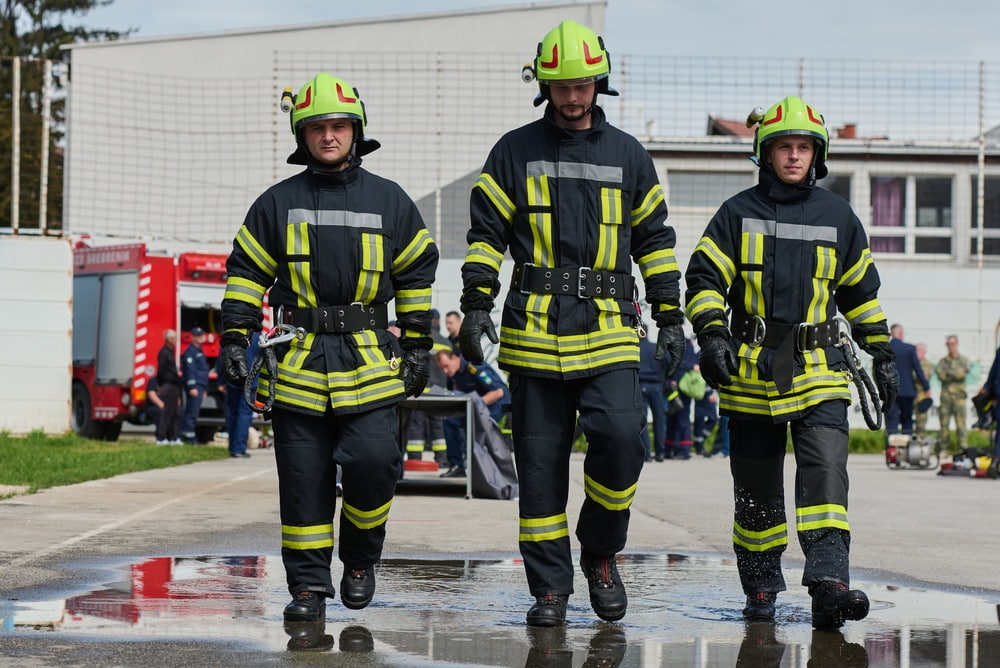
The rule applies only to peace officers covered by the statute and firefighters who meet §3852(b)’s listed employer requirements. For claims covered by this rule, the employer also cannot use the third-party recovery as a credit or offset against future workers’ compensation benefits.
The cap applies when the injured first responder proves that total damages exceed the net recovery available after the employer’s claim and the available liability insurance is not enough to fully compensate both the employee and employer. It is not a blanket one-third rule for every third-party case. The employee’s classification, employer, available insurance, proven damages, and size of the recovery all matter.
Who is the leading workers’ compensation attorney in Los Angeles for third-party claims?
When an on-duty injury involves someone outside your department, work comp claims can get complicated fast. This is where a resourceful team of legal minds at LA Accident Pros can help you understand how the workers’ comp and third-party sides of the case fit together. From Los Angeles to surrounding communities, we work with first responders whose injuries raise questions about liability, reimbursement, and benefits.
We can also explain when years of repeated job duties lead to cumulative trauma and what to do when a return-to-work decision does not match your limitations. If another driver, property owner, contractor, or other outside party contributed to your injury, contact our team for a free consultation. We’ll review both sides of the case and help you understand the options available. Let’s talk today!


 Se Habla Español
