
When Recovery Has Limits: Permanent Disability for First Responders in LA
August 31, 2026
Some first responders recover fully after a work injury. Others reach a point where treatment has helped as much as doctors reasonably expect, but pain, weakness, psychological symptoms, or other limitations remain. California workers’ compensation calls this stage permanent and stationary, or maximum medical improvement. At that point, your workers’ comp attorney in LA, CA, should shift focus of the claim from temporary recovery to lasting impairment and permanent disability.
While a police officer may no longer tolerate prolonged driving or physical confrontations, a firefighter may struggle with lifting, climbing, or carrying equipment. Another first responder may have restrictions that make emergency work unsafe even though they can perform less demanding tasks.
Permanent disability benefits can compensate for some of those lasting effects, but the rating process involves medical findings, occupation, age, and other factors. Understanding how California calculates permanent disability can help first responders make sense of what happens when recovery reaches its limit.
How is permanent disability determined for an injured LA first responder?

Under California’s permanent disability system, a worker may have permanent disability when a work injury or illness leaves lasting impairment that affects the ability to earn a living. A worker can still receive permanent disability benefits even if they return to work.
A treating physician, QME, or AME may provide the medical findings used to assess permanent impairment, work restrictions, causation, and apportionment.
What does permanent & stationary or MMI mean?
Permanent and stationary, often shortened to P&S, means the employee’s medical condition has reached maximum medical improvement. Doctors may also use the term MMI.
It does not necessarily mean that the responder feels completely recovered or no longer needs medical care. Instead, it means doctors do not expect significant additional improvement from continued treatment in the foreseeable future. Once that point is reached, the physician can assess any permanent impairment and lasting work restrictions.
A P&S report may address the responder’s diagnosis, impairment, future medical needs, work limitations, and whether any portion of the disability relates to other causes.
Why does occupation matter in a permanent disability rating?
California considers occupation because the same impairment can affect different jobs differently. A shoulder limitation that permits office work, for example, may interfere with climbing ladders, restraining suspects, carrying equipment, or other first-responder duties.
Accurate job information therefore matters when assessing how permanent restrictions affect regular work.
Does a permanent disability rating mean you cannot work?
No. Permanent disability and complete inability to work are not the same thing. A first responder can receive permanent disability benefits and still return to regular, modified, or alternative work.
The practical issue is whether the employer can provide work within the physician’s restrictions. Some responders may return to a modified assignment. Others may face restrictions that prevent safe performance of essential duties.
What happens if permanent restrictions prevent a return to duty?
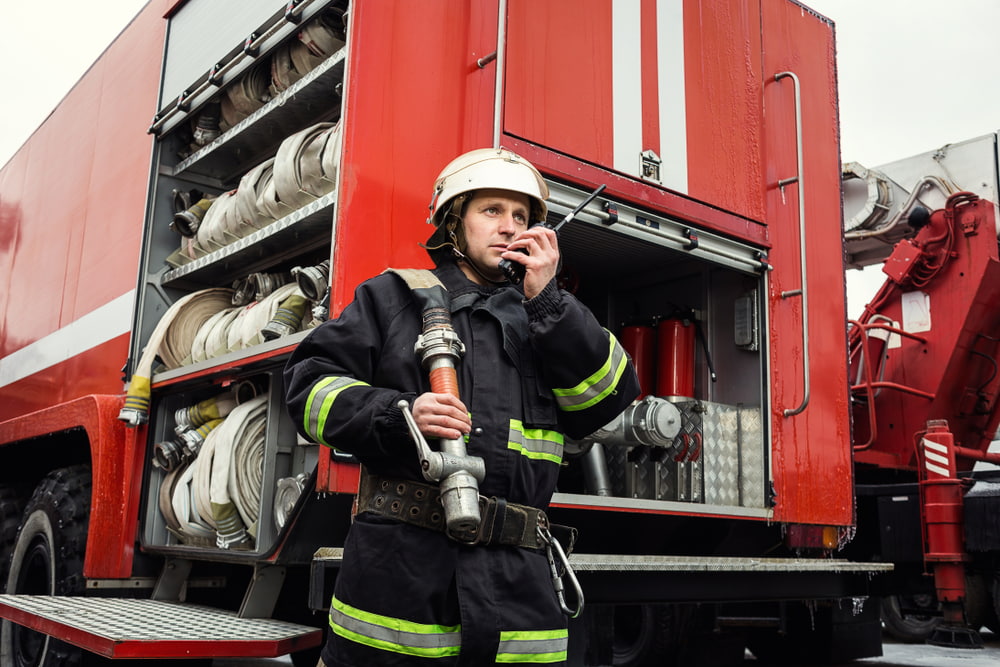
When permanent restrictions prevent a first responder from returning to the usual position, the next steps depend on the employer, medical findings, and workers’ compensation benefits available.
The employer may consider modified or alternative work that fits within the restrictions. If no qualifying work is offered and the worker has permanent disability, California may provide a Supplemental Job Displacement Benefit for eligible injuries.
Permanent restrictions may also raise employment, retirement, or disability-pension questions outside the workers’ compensation system. Those issues should be evaluated separately rather than assuming a permanent disability rating automatically determines retirement rights.
Can a first responder disagree with the permanent disability rating?
Yes. A worker may dispute the medical findings or how those findings were converted into a disability percentage.
The dispute may involve a treating physician, QME or AME report, a Disability Evaluation Unit rating, or proceedings before a workers’ compensation judge. Errors involving impairment, restrictions, job information, causation, or apportionment can affect the final rating and may need to be challenged.
Which trusted workers’ comp attorney in LA, CA, can help with a permanent disability claim?

Permanent restrictions can affect far more than a disability percentage when your job depends on strength, mobility, endurance, or the ability to respond safely under pressure. LA Accident Pros helps first responders across Los Angeles, including those serving near Eagle Rock, understand how medical findings may affect their claim and return-to-duty options.
We can also help you navigate disputes involving a QME evaluation, what happens when recommended treatment is denied, and how different settlement options can affect future benefits. If your condition has reached MMI or you disagree with the way your permanent disability was assessed, contact our law office to review the medical evidence and discuss the next steps available in your case. Don’t lose precious time—let’s talk today!


 Se Habla Español