

Proof Behind the Presumption: Evidence LA First Responders Need
August 24, 2026
A workers’ compensation presumption can put a Los Angeles first responder in a stronger position after a qualifying injury or illness, but the word “presumption” can be misleading. Police officers, firefighters, sheriff’s personnel, and other covered public safety employees still need evidence to establish that the law applies to their particular claim.
The required proof may involve a medical diagnosis, years of qualifying service, occupational exposure, job duties, or the date a condition first developed or manifested. These details become especially important when an employer or claims administrator questions eligibility or tries to rebut the presumed connection to the job.
An experienced LA work comp lawyer and strong documentation can help establish the facts the statute requires and address disputes before they become more complicated. Because California uses different rules for cancer, PTSD, heart trouble, infectious diseases, and other presumed conditions, the evidence that matters most will depend on the type of claim being pursued.
What evidence matters in a presumptive injury claim for LA first responders?
The most useful evidence establishes two things: that the employee qualifies for the particular statutory presumption and that the diagnosed condition satisfies its requirements.
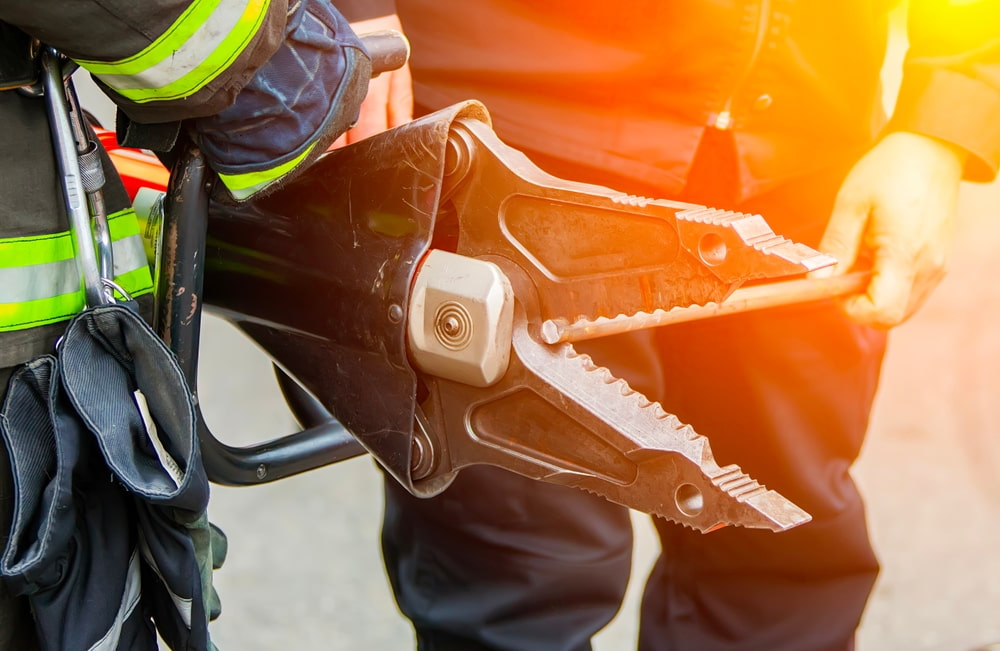
California does not use one universal first-responder presumption. Individual Labor Code provisions cover different occupations and medical conditions. A police officer pursuing a duty-belt-related back claim, for example, must satisfy requirements different from those involved in a firefighter cancer claim.
That makes employment records, medical documentation, exposure history, and timing evidence especially valuable.
What does a claimant still need to prove?
A presumption reduces the burden of proving that a qualifying condition arose from employment. It does not remove every evidentiary requirement.
Depending on the statute, a claimant may still need to establish:
- Employment in a covered public safety classification
- The required length and type of service
- A qualifying medical diagnosis
- When the illness or injury developed or manifested
- Specific occupational duties or required equipment
- Workplace exposure when the statute requires it
- Eligibility within an applicable post-service extension
Why are medical records so important in presumptive injury claims?
Medical evidence in a work comp claim establishes much more than the name of an injury or illness. Physician reports can document the diagnosis, symptoms, treatment history, work restrictions, disability, and relevant medical history.
California Workers’ Compensation Appeals Board rules call for medical reports to address matters such as the history of the injury, examination findings, diagnosis, disability, and work limitations.
When medical opinions are disputed, records may also be reviewed by a qualified medical evaluator or, in represented cases, an agreed medical evaluator. California’s Division of Workers’ Compensation notes that medical and non-medical records are provided to evaluators so they have a fuller history of the injury and the information relevant to their opinions.
Why does timing matter in a presumptive claim?
The date a condition develops or manifests can affect whether the presumption remains available.

Several first-responder presumptions continue for a limited period after qualifying service ends. The length of that extension varies by condition, which makes service dates, retirement records, medical evaluations, and the first documented symptoms important evidence.
Timing also matters at the beginning of a claim. California’s Division of Workers’ Compensation advises injured employees to report a work injury promptly and file a DWC-1 claim form to protect their rights.
How can a resourceful LA work comp attorney strengthen my first responder claim?
When an employer or insurer questions a presumptive injury claim, the outcome may depend on how clearly the medical records, service history, exposure evidence, and timing support the applicable statute. Whether you serve near Ballona Creek or elsewhere across the county, LA Accident Pros can review those details and help identify gaps before they become larger disputes.
We can help you understand why a claim may still be denied despite statutory protection, how long certain injury presumptions remain available, and how Section 4850 provisions may apply during disability.
Because each presumption has its own proof requirements, a careful review can help identify potential issues before they complicate the claim. Contact our team to discuss your evidence, eligibility, and the benefits you may be able to pursue. Let’s talk today!


 Se Habla Español